How Second-Ball Pressure Creates Repeat Football Attacks
Most coaches and analysts share the same recurring frustration: a team wins the opening exchanges, dominates possession, yet struggles to convert sustained territory into decisive moments. The moment the ball is turned over, the offensive rhythm fractures. Players revert to cautious positioning, passing lanes close off, and the opposition comfortably resets their defensive shape. This stagnation rarely stems from a lack of technical skill. Instead, it usually reflects a gap in transitional awareness. When possession is lost, the difference between a collapsed attack and a sustained offensive wave lies entirely in how quickly a side reacts to the second phase of play.
The preliminary assessment is straightforward. Deploying coordinated pressure on the second ball generates repeat attacking sequences, but only when supported by specific spatial discipline and trained decision-making protocols. This system rewards aggressive triggering, rapid overlap timing, and structured defensive cover. It delivers measurable benefits against opponents who build from deep or hesitate under immediate duress. Conversely, it introduces genuine vulnerabilities if executed without adequate recovery metrics or positional backup. Evaluating this approach requires looking beyond surface-level intensity and examining the underlying mechanics, structural requirements, and squad compatibility factors.
Evaluation Framework for Tactical Systems
| Evaluation Dimension | What It Measures | Target Benchmark |
|---|---|---|
| Trigger Activation Speed | Time between possession loss and first presser contact | Under three seconds |
| Spatial Overlap Efficiency | Number of runners arriving in secondary zones during turnover | Two to three coordinated arrivals |
| Passing Continuity Rate | Successful sequence completion after initial turnover | Above sixty percent |
| Defensive Reset Balance | Protection of central corridors during aggressive forward movement | Cover maintained behind primary press line |
| Tactical Adaptability | Ability to switch between high press and compact mid-block | Smooth transitions without structural gaps |
 Hình minh hoạ: sky88
Mechanics of the Second-Phase Assault
The foundation of this attacking model rests on treating every turnover as a deliberate opportunity rather than a defensive liability. When the ball changes hands, the nearest opponent must react instantly to delay progression and force a rushed clearance. This initial contact is not meant to guarantee immediate recovery. Its purpose is to create a temporary disruption in the opposing build-up rhythm, buying precious seconds for teammates to occupy designated second-ball zones. Those zones typically include half-spaces, wide channels, and the edge of the penalty area, areas that frequently remain unmarked during standard defensive transitions.
Once the first presser engages, supporting runners must arrive with purposeful timing. Late arrivals result in crowded spaces and easy interceptions. Early arrivals leave passing lanes open but expose the side to quick counters. The optimal window occurs when attackers recognize the turnover cue and adjust their run trajectory to intercept potential clearance routes or receive rebounds from blocked shots. Advanced tracking data available through platforms like sky88 frequently highlights how clubs that map these arrival windows consistently generate higher shot volumes from secondary phases compared to those relying solely on established possession patterns.
Recovery of the second ball demands precise distribution choices. Players arriving in advanced positions should prioritize quick combinations over forced long balls. A single backward or lateral pass often repositions the defense, creating fresh angles before they can shuffle laterally. The most effective units train this continuity until it becomes instinctive. They understand that retaining possession in tight spaces forces the opposition to commit additional markers, which inevitably opens gaps in deeper layers. These gaps become the actual target for subsequent runs, turning a simple turnover into a multi-layered attacking sequence.

Strengths and Structural Limitations
The primary advantage of this method lies in its unpredictability. Opponents cannot fully prepare for every turnover because the triggers vary based on game context, opponent tendencies, and real-time spatial availability. When executed correctly, it produces high-quality chances without requiring extended buildup periods. Teams also gain psychological momentum, as repeated second-phase success demoralizes defenses that expect comfortable rest after winning possession. The system encourages proactive engagement rather than passive waiting, which aligns well with modern coaching philosophies emphasizing controlled aggression.
Limitations emerge when intensity exceeds structural discipline. Pushing multiple players forward to contest second balls inevitably leaves central pathways exposed. If the initial press is bypassed, the remaining defenders face numerical disadvantages. Fatigue compounds this risk, particularly in congested fixture schedules. Players who constantly chase loose balls experience accelerated depletion of stamina reserves, reducing sharpness in the final third during critical late-game phases. Additionally, this approach struggles against ultra-compact defensive organizations that deliberately absorb pressure and launch direct vertical passes. In those scenarios, chasing second balls often plays directly into the opponent preferred transition strategy.

Squad Profiles That Succeed With This Approach
Certain roster compositions naturally amplify the effectiveness of second-ball pressure. Midfieldsers with exceptional work rates, low center of gravity, and quick first-touch redirection skills form the backbone of successful implementations. These players excel at shielding the ball upon recovery, turning under pressure, and distributing rapidly to overlapping runners. Defenders who possess sprint recovery speed and comfort playing narrow provide essential security, allowing attacking players to commit forward without excessive caution. Goalkeepers trained in sweep duties and quick distribution complete the chain, initiating second-phase actions before opponents can establish defensive shape.
Coaching staffs that prioritize small-sided games with constrained touch limits and mandatory turnover reactions tend to produce squads capable of executing this system at high tempo. Training environments that simulate chaotic recovery situations teach players to read body language, anticipate clearance trajectories, and communicate clearly under stress. Groups that demonstrate strong tactical intelligence, emotional resilience, and willingness to share defensive responsibilities consistently integrate this method seamlessly. The system rewards collective identity over individual brilliance, making it particularly suitable for organizations that value synchronized movement and shared accountability.

Scenarios Where This Method Falters
Not every team possesses the resources or philosophical alignment to adopt this framework effectively. Squads built around physically dominant target forwards who require time to settle the ball often struggle to maintain the required tempo. Hold-up play slows down second-phase transitions, allowing opposing defenses to recover and compress space. Similarly, organizations reliant on slow, methodical possession retention may find the aggressive triggering style disruptive to their natural rhythm. Forcing such groups into high-intensity turnovers can fracture team cohesion and increase mental fatigue without delivering proportional attacking returns.
Financially constrained clubs facing top-tier opponents frequently encounter structural mismatches. Chasing second balls against elite sides with technically superior ball-playing defenders and rapid counter-attacking wingers often results in vulnerable exposure. The financial investment required for continuous sports science monitoring, recovery protocols, and specialized training staff also places this model out of reach for smaller programs operating on lean budgets. Coaches who prefer conservative risk management and prioritize defensive solidity above attacking unpredictability will likely find alternative frameworks more sustainable. Implementing this system without realistic resource allocation tends to produce inconsistent results and elevated injury rates.
Pre-Implementation Verification Steps
Before integrating second-ball pressure into regular match plans, organizations should conduct thorough preparatory assessments. The following verification steps help determine readiness and minimize structural risks:
- Conduct fitness screenings to confirm baseline aerobic capacity and sprint recovery metrics across the starting lineup and key substitutes.
- Map opponent build-up patterns using video analysis to identify predictable clearance tendencies and weak-side coverage habits.
- Define explicit triggering rules for pressing based on first-touch direction, receiver orientation, and ball height.
- Establish fallback defensive shapes that activate immediately if the initial press fails to regain possession.
- Run controlled simulation drills that rotate personnel through second-phase roles to test communication clarity and positioning discipline.
- Monitor load management data weekly to adjust intensity levels and prevent cumulative fatigue during密集 fixture periods.
These steps do not guarantee success, but they significantly reduce guesswork and provide measurable benchmarks for adjustment. Coaches who track progression through these metrics can modify timing, spacing, and trigger conditions before applying them in competitive environments. The process demands patience and consistent feedback loops, yet it yields tangible improvements in transitional efficiency when executed systematically.
This attacking methodology delivers meaningful returns when aligned with appropriate personnel traits, structural safeguards, and realistic operational constraints. Teams possessing high-tempo midfield engines, agile defensive cover, and disciplined recovery protocols will extract maximum benefit from coordinated second-phase pressure. Organizations lacking those foundational elements or prioritizing conservative possession models will likely encounter diminishing returns and heightened vulnerability. Adopting this framework makes sense only when the squad demonstrates the necessary athletic profile, tactical maturity, and institutional support to sustain the required intensity throughout a full campaign. Evaluate your current roster capabilities, stress-test the triggering mechanisms, and verify that your infrastructure can handle the physical demands before committing to widespread implementation. You can find more details at https://sky88.br.com/.

 Hình minh hoạ:
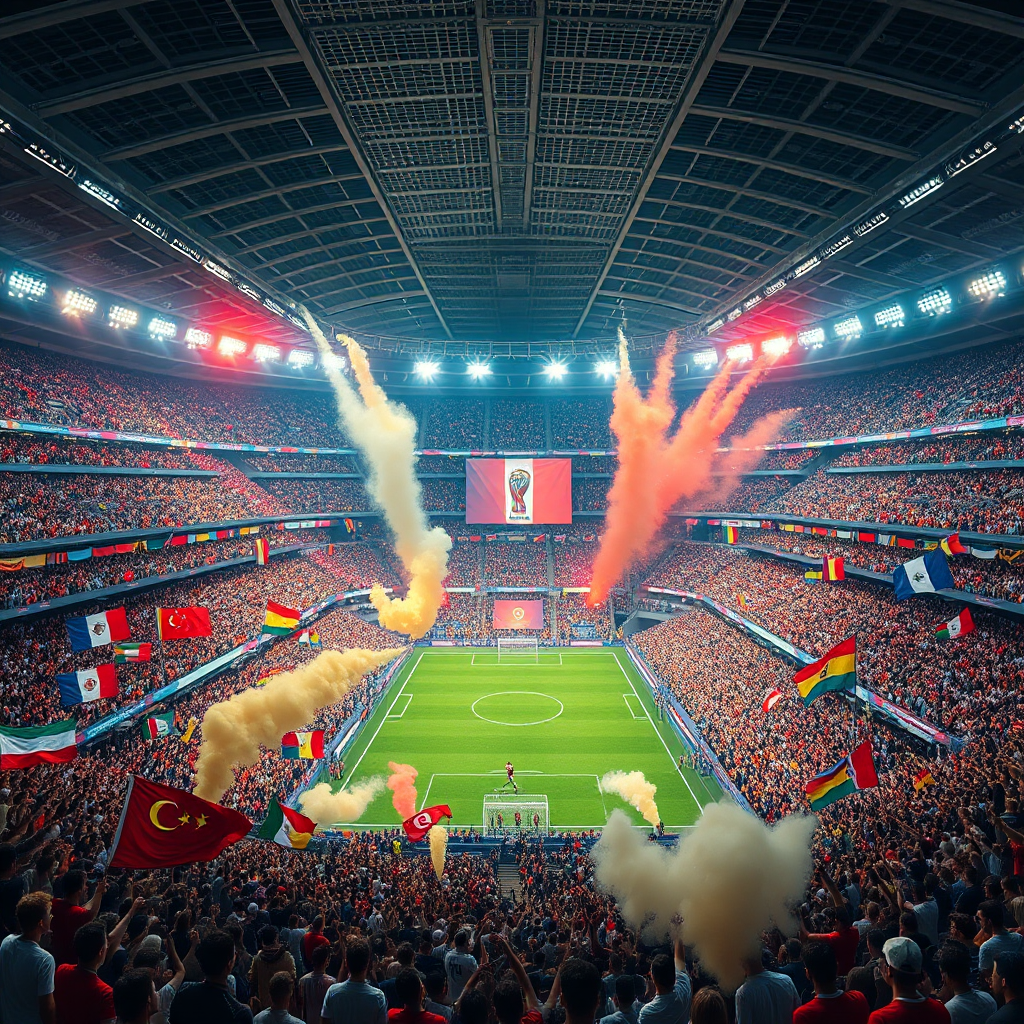



 Hình minh hoạ: Sun Win




 Hình minh hoạ:





 Hình minh hoạ: nhận định bóng đá



 Hình minh hoạ:




 Hình minh hoạ: game bài




 Hình minh hoạ:




 Hình minh hoạ: game bài online




 Hình minh hoạ: kèo bóng đá trực tuyến